
Air pollution has become a significant concern for cities around the world, affecting human health, the environment, and overall quality of life. Understanding air quality is crucial to protecting ourselves and taking action to improve our surroundings. One of the most widely used tools to measure and communicate air quality is the Air Quality Index (AQI). In this article, we’ll explore AQI meaning, its importance for the environment, and how it plays a vital role in efforts to reduce air pollution.
What Is AQI?
The term AQI stands for Air Quality Index, a standardized system used to report and interpret the quality of the air in a particular location. Simply put, what is AQI? It is a numerical value that indicates how polluted or clean the air is. The index converts complex air quality data from multiple pollutants into a single number, making it easy for the general public to understand.
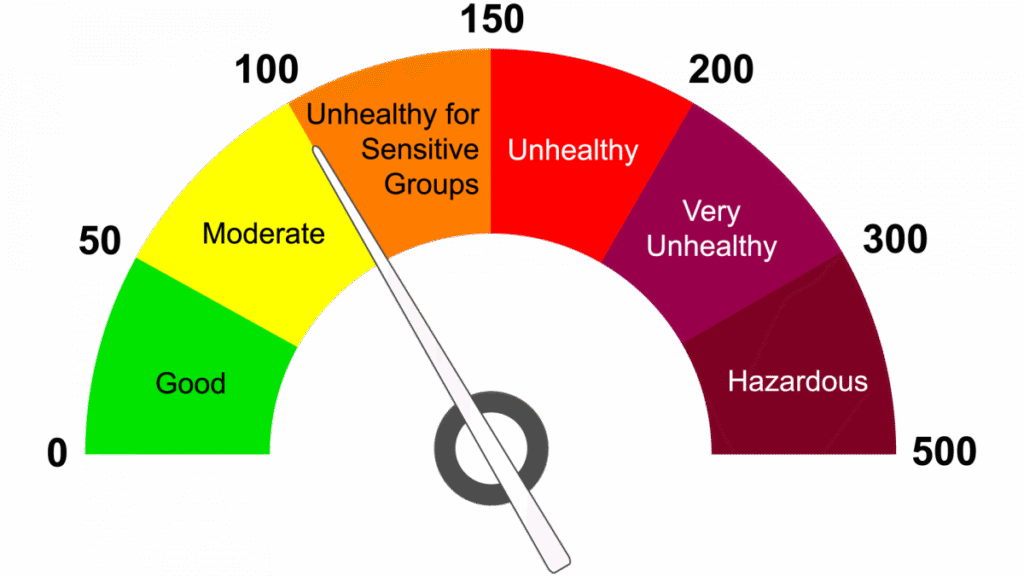
The AQI typically ranges from 0 to 500, with lower numbers indicating cleaner air and higher numbers representing more polluted conditions. Governments and environmental agencies use AQI to issue warnings, recommend precautions, and inform policy decisions.
How AQI Is Measured
Understanding how AQI is measured helps clarify its reliability and significance. AQI is calculated based on the concentration of major air pollutants, commonly referred to as air pollution parameters. The most frequently monitored pollutants include:
PM2.5: Fine particulate matter that can penetrate deep into the lungs
PM10: Larger particles that can irritate the respiratory system
Ozone (O₃): A harmful gas in high concentrations at ground level
Nitrogen Dioxide (NO₂): Produced mainly by vehicles and industrial emissions
Sulfur Dioxide (SO₂): Released from burning fossil fuels
Carbon Monoxide (CO): Generated by vehicles and combustion processes
Each pollutant has a sub-index based on its concentration. The highest sub-index among all pollutants determines the overall AQI. This method ensures that the index accurately reflects the most significant risk to public health at any given time.
Understanding AQI Meaning for the Environment
Beyond human health, AQI has a direct impact on the environment. Poor air quality can harm plants, water bodies, wildlife, and even infrastructure. By tracking AQI levels, environmental agencies can identify pollution hotspots, assess the effectiveness of regulations, and implement measures to mitigate environmental damage.
For example, high AQI readings in urban areas may indicate excessive vehicle emissions or industrial pollution. Governments can respond by enforcing stricter emissions standards, promoting cleaner fuels, or developing green infrastructure to improve air quality.
The Role of AQI Awareness in Reducing Air Pollution
Raising AQI awareness is essential for building a healthier society. When people understand the meaning of AQI, they are more likely to take actions that help reduce air pollution. Simple lifestyle changes, such as using public transportation, minimizing the burning of waste, or using energy-efficient appliances, can collectively make a significant difference.
Educational campaigns, real-time air quality updates, and mobile apps that display AQI readings are effective tools in promoting AQI awareness. Communities that actively monitor their air quality are better equipped to advocate for cleaner air policies and take preventive measures during high-pollution days.
Health Benefits of Understanding AQI
Knowing the AQI meaning can directly impact personal health. Sensitive groups such as children, the elderly, and people with respiratory or cardiovascular conditions are particularly vulnerable to poor air quality.
On days with high AQI, it’s recommended to limit outdoor activities, wear protective masks, and use air purifiers indoors.
Awareness of AQI trends can help individuals plan outdoor exercise or commuting schedules to minimize exposure to harmful pollutants.
In the long term, widespread AQI awareness encourages healthier habits and supports broader environmental policies that lead to cleaner air for everyone.
Strategies to Improve AQI and Reduce Air Pollution
Governments, industries, and individuals can all contribute to improving air quality and lowering AQI readings. Some effective strategies include:
Promoting clean energy: Using solar, wind, and electric power reduces harmful emissions.
Vehicle regulations: Encouraging electric vehicles, carpooling, and public transport decreases traffic-related pollution.
Industrial control measures: Installing proper filtration and emission control systems in factories.
Urban greening: Planting trees and maintaining green spaces to naturally absorb pollutants.
Public education: Building AQI awareness campaigns to encourage responsible practices.
By implementing these measures, cities can see tangible improvements in AQI levels while simultaneously protecting the environment.