
What Does AQI Stand For? Understanding the Air Quality Index
AQI is a term you might see in news headlines, weather apps, or environmental reports, but do you truly understand what it means and why it is so crucial for your health? AQI, or Air Quality Index, is a numerical scale designed to help people understand how polluted the air around them is. Monitoring AQI is not just a technical measure; it is a powerful tool that can influence your daily life, from deciding whether to go for a morning jog to protecting vulnerable populations from harmful air pollutants.
What Exactly is AQI?
At its core, AQI is a standardized way to report air pollution levels. It takes various pollutants—such as PM2.5, PM10, carbon monoxide, sulfur dioxide, nitrogen dioxide, and ozone—and converts their concentrations into a single number. This number helps the general public quickly understand how safe or hazardous the air is.
For instance, an AQI of 0–50 is considered “Good,” while an AQI above 300 is extremely dangerous and can trigger serious health warnings. By understanding AQI, you can make informed decisions to protect yourself and your loved ones from air pollution’s harmful effects.
How is AQI Calculated?
Calculating AQI may seem complicated, but it’s based on scientifically derived formulas. Environmental agencies like the EPA in the United States or the CPCB in India collect real-time data from air monitoring stations. They measure the concentration of key pollutants and then apply standardized conversion formulas to generate the AQI value.
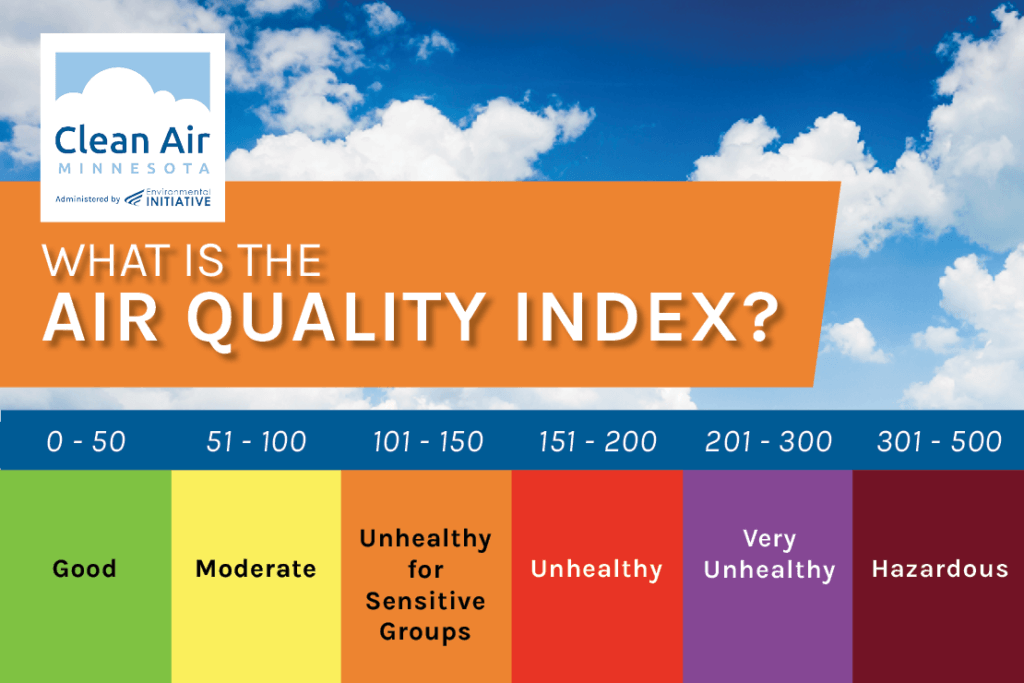
The result is a single number that represents overall air quality, categorized into color-coded levels:
0–50 (Green): Good – Air quality is excellent; minimal health risk.
51–100 (Yellow): Moderate – Air quality is acceptable; minor health concerns.
101–150 (Orange): Unhealthy for Sensitive Groups – People with health conditions should be cautious.
151–200 (Red): Unhealthy – Everyone may experience health effects.
201–300 (Purple): Very Unhealthy – Serious health warnings for the entire population.
301–500 (Maroon): Hazardous – Emergency conditions; everyone must avoid outdoor activities.
By following AQI readings, you can take proactive measures to reduce exposure to polluted air.
Why AQI is Important
AQI is not just another number—it’s a powerful indicator of environmental and personal health. Poor air quality, reflected by a high AQI, has been linked to respiratory illnesses, cardiovascular problems, and even reduced life expectancy. Children, the elderly, and people with pre-existing health conditions are particularly vulnerable.
Monitoring AQI helps governments issue timely warnings and enables individuals to plan their activities responsibly. For example, avoiding outdoor exercise on days with high AQI can prevent unnecessary exposure to harmful pollutants.
AQI Awareness and Its Benefits
Increasing AQI awareness is essential for building healthier communities. Schools, offices, and homes can take advantage of AQI forecasts to improve indoor air quality, such as using air purifiers or reducing emissions from vehicles and industrial activities.
Furthermore, businesses and policymakers rely on AQI data to enforce regulations and implement proactive solutions for reducing air pollution. A community that monitors and respects AQI levels can significantly decrease the health impact of environmental pollution.
Practical Ways to Use AQI in Daily Life
Understanding AQI is only useful if you act on it. Here are some practical tips:
Check Daily AQI: Use apps or government websites to monitor your city’s air quality.
Limit Outdoor Activities: On high AQI days, avoid jogging, cycling, or outdoor sports.
Use Masks and Air Purifiers: Protect yourself when AQI indicates unhealthy air.
Ventilate Smartly: Keep windows closed during poor air quality periods.
Support Clean Initiatives: Encourage eco-friendly transport and reduced emissions in your area.
By following these steps, you can safeguard your health while contributing to a cleaner environment.
Conclusion: Why AQI Matters to Everyone
In summary, AQI is more than a number—it’s a life-saving metric that empowers you to detect air pollution early and take preventive action. By monitoring AQI, understanding its categories, and acting wisely, you can protect yourself, your family, and your community from harmful air pollutants.
Staying informed about AQI also drives awareness of environmental responsibility, encourages clean air initiatives, and helps create safer, healthier cities for everyone. Remember, every breath matters, and with AQI knowledge, you have the power to breathe smarter and live healthier.